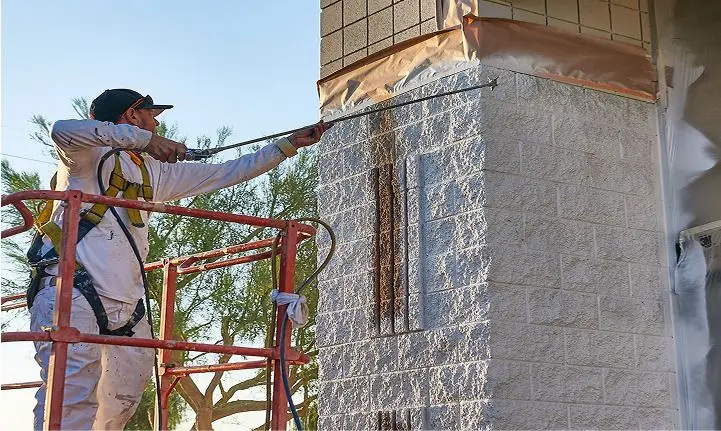
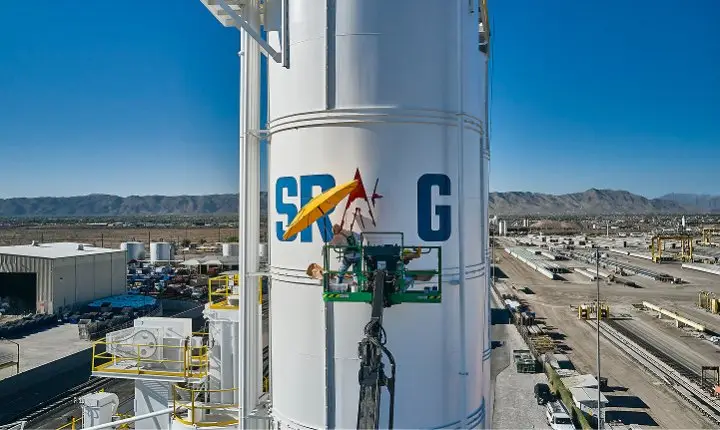
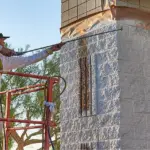
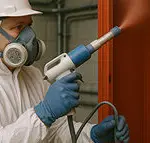
Our estimator will conduct a comprehensive site visit to carefully assess your needs. We will then prepare a “scope of work” to ensure that we are on the same page as the client. The goal is simple: to match or exceed your expectations.
STEP 2
Within 24 hours of our site visit, you will receive a clear, detailed, fully transparent bid.
STEP 3
Once you have approved the bid, we will set the start date. And then we will transform your space with precision and professionalism. We will deliver, as always, a hassle-free painting experience.
About 10% of hospital patients get sicker or contract a new illness during their stay after coming into contact with germ-laden equipment and surfaces. This results in about 100,000 deaths each year in the U.S. and more than $20 billion in added healthcare costs.
That is why administrators should take extra measures, such as antimicrobial painting for hospitals, to keep spaces as safe and clean as possible.
But did you know that antimicrobial paint can also be used on household surfaces? Let's talk about it.
What Is Antimicrobial Paint & How Does It Work?
Antimicrobial paint, also known as antibacterial paint, is a specially formulated coating that contains an agent designed to diminish the ability of microorganisms to grow on the painted surface. Depending on the product, antimicrobial paints in hospitals can help inhibit the growth of bacteria, mold, and mildew while maintaining a durable, attractive finish.
Antimicrobial coatings are commonly recommended for:
Hospital walls and patient rooms
Operating rooms and treatment areas
Healthcare corridors and high-touch areas
Bathrooms and other moisture-prone areas
Residential kitchens, bathrooms, and nurseries
Antimicrobial agents are embedded within the paint film. When properly applied and maintained, the antimicrobial properties can remain active throughout the expected lifespan of the paint product.
IMPORTANT:
Antimicrobial paint DOES NOT replace routine cleaning or disinfection. Instead, it works alongside these protocols to help limit microbial growth on treated surfaces between cleaning cycles.
Why Do Hospitals & Healthcare Facilities Require Medical-Grade Paint?
Antimicrobial surface coatings are important for healthcare facilities because it primarily supports the facility's broader infection-control practices. Here's how:
1. Supplements Strict Cleaning Protocols
Antimicrobial technologies do not replace routine cleaning and disinfection. Instead, it works alongside these protocols by helping inhibit microbial growth on various surfaces in hospitals between cleaning cycles.
This is particularly useful in patient rooms, treatment areas, corridors, and other spaces where painted surfaces are regularly exposed to hands, equipment, splashes, and other sources of contamination. The antimicrobial coatings in healthcare provide ongoing surface protection throughout the expected service life of the product.
2. Helps Support Efforts to Reduce Healthcare-Associated Infections (HAIs)
Healthcare-associated infections (HAIs) are a major concern for hospitals and other healthcare facilities. Because microorganisms can persist on environmental surfaces, controlling surface contamination is one component of a broader infection-control strategy.
Antimicrobial coatings can support these efforts by helping inhibit the growth of bacteria and other microorganisms in healthcare settings. They are one layer within a larger system that includes hand hygiene, environmental cleaning, disinfection, ventilation, and other infection-control measures.
3. Withstands Harsh EPA-Registered Chemical Disinfectants
Hospital walls are cleaned far more frequently, and the products used for disinfection can be demanding on products and surfaces.
A medical-grade hospital wall paint should be selected for its ability to withstand the facility's cleaning and disinfection regimen. Where specified by the coating manufacturer, antimicrobial paint systems can be formulated to maintain their finish and performance when exposed to EPA-registered chemical disinfectants used according to their labeled directions.
This matters in high-use areas where walls may be wiped down repeatedly, including patient rooms, examination rooms, treatment spaces, corridors, and other clinical areas.
4. Provides Non-Leaching Durability
Some antimicrobial coating technologies are designed to keep their active ingredients incorporated within the paint film rather than releasing them into the surrounding environment.
This non-leaching approach provides antimicrobial activity at the treated surface while maintaining the integrity of the coating. When properly selected, applied, and maintained, it can also help the finish remain durable through routine cleaning and everyday wear.
Keep Different Surfaces Hygienic With Ghaster's Antimicrobial Painting Service
We've supported various clinics and healthcare workers in elevating their patient care for 50+ years.
ICRA Compliance & Low-VOC Execution for Active Healthcare Environments
Painting in an active healthcare facility requires careful planning to protect patients, staff, and ongoing operations. Ghaster Painting & Coatings approach these projects with ICRA containment, low-VOC coating options, and off-hours application to help minimize disruption.
ICRA containment: Infection Control Risk Assessment (ICRA) protocols help control dust, debris, and other potential contaminants during painting and renovation work. Depending on the project, this may include isolating and sealing work areas, controlling access, and following the facility's infection-control requirements.
Zero-VOC and low-odor options: Low-VOC and low-odor coatings can help reduce paint-related odors and emissions in healthcare environments. The right product should be selected based on the facility's air-quality requirements, surface conditions, cleaning regimen, and performance needs.
Overnight and off-hours application: Painting during evenings, overnight hours, or other low-activity periods can help reduce interference with patient care and daily facility operations. Work can be coordinated around the facility's schedule to keep occupied areas accessible whenever practical.
Yes, antimicrobial paint can be used in homes, too! It can be especially appealing for households with children, older adults, or family members who are particularly sensitive to their environment.
Common residential applications of antibacterial paint include:
Bathrooms: Help inhibit mold and mildew growth on painted surfaces exposed to recurring humidity and moisture.
Kitchens: Provide an additional layer of surface protection in an area exposed to food preparation, splashes, and frequent contact.
Nurseries and children's rooms: Offer a durable, cleanable wall finish for spaces that see frequent daily use.
Laundry rooms: Useful in areas where moisture and humidity are part of normal household activity.
High-use common areas: Can provide added surface protection in entryways, hallways, and other frequently touched spaces.
If you constantly deal with recurring mildew, mold concerns, or frequent surface buildup, antimicrobial coatings offer another layer of protection directly to the painted surface.
Get Antimicrobial Coating For Hospitals & Homes With Ghaster Painting & Coatings
Choosing an antimicrobial coating is only part of the job. It takes an experienced healthcare painting team to select the right system, prepare the surfaces properly, and coordinate the work around the demands of an active medical facility.
Ghaster Painting & Coatings has more than 50 years of experience providing commercial and hospital painting services throughout Arizona. Our team understands the specialized requirements of healthcare environments, from durable, cleanable finishes and antimicrobial coatings to low-odor, low-VOC systems.
Ready to upgrade your healthcare facility's wall protection?
For your home, yes. However, healthcare facilities require professional application. Proper surface preparation, product selection, application thickness, curing, and environmental conditions can all affect how the coating performs.
Does antimicrobial paint kill bacteria on hospital walls?
No. It can only inhibit or reduce the growth of bacteria on treated surfaces. Hospitals should continue following established cleaning and disinfection protocols while using antimicrobial paint as an additional surface-protection measure.
Is antimicrobial paint safe to use in occupied healthcare facilities?
Yes, antimicrobial paint can be used in occupied healthcare facilities, but the specific coating and application process must be appropriate for the environment. Low-VOC and low-odor formulations can help minimize paint-related odors and emissions, while ICRA containment and appropriate scheduling can help control dust and disruption.
Is antibacterial paint for hospitals expensive?
It costs more than standard paint because they are formulated for specific performance requirements. However, it's not necessarily expensive. It only becomes expensive if it's not applied correctly and you need a repaint early.
Wall color is one of the hardest-working elements in your restaurant. Before your customer takes their first bite, your palette has already influenced their mood, dwell time...
Customers judge the space before they judge the merchandise. A storefront the sun has pulled three shades lighter, or a color scheme that stopped matching the logo...
Whether you are dealing with sun-peeled surfaces or faded stucco, these signs of neglect signal a loss of your property’s primary environmental defense. In the Arizona desert,...
Statewide Reach. Local Expertise.
Serving All of Arizona
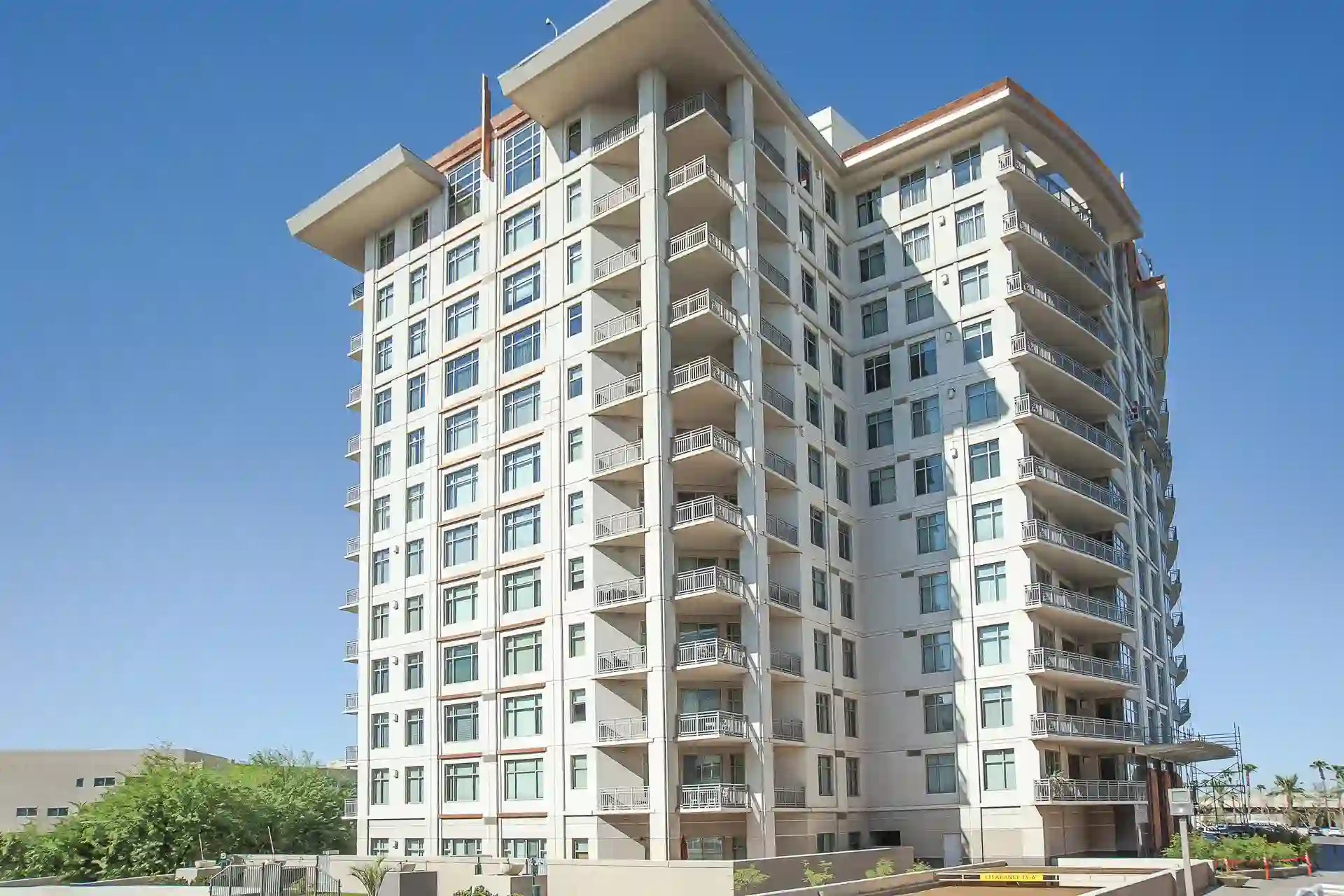
With offices across Arizona, Ghaster Painting & Coatings proudly serves the entire state of Arizona. Our teams are locally rooted, fast to deploy, and ready to deliver premium commercial and industrial painting services wherever your project is located. Whether you’re managing a high-rise in downtown Phoenix or a government facility in southern Arizona, we’ve got you covered.
See Your Property’s Potential. Before the First Brushstroke
We will show you exactly what your property will look like before the first brushstroke. You will get Free Professional Renderings and the most detailed, transparent quote in the industry..